News

New Window Radio #3: Arnout Meijer
portret-arnout-meijer-2500-1200

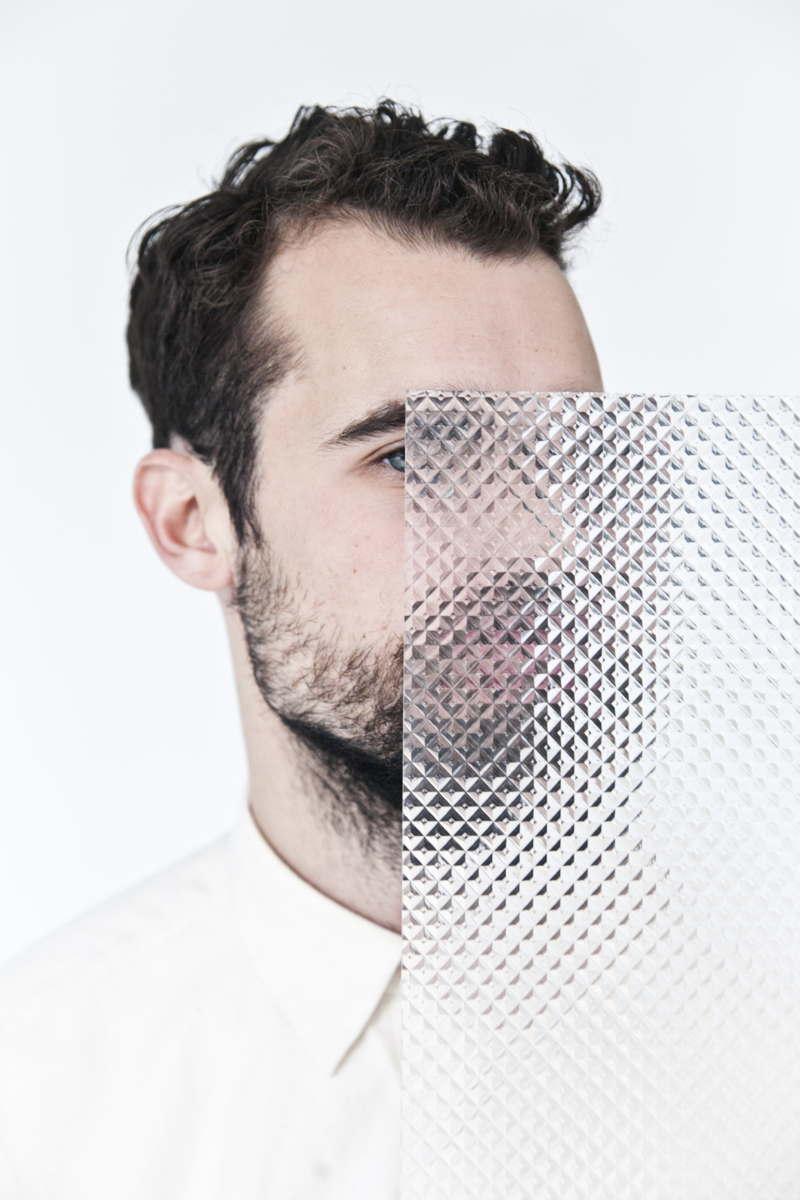
During our talk with designer Arnout Meijer he explains the significance of perception. Inspired by for instance philosopher Merleau–Ponty he sharpens his ideas and thoughts about illusion as reality. Furthermore he gives an insight of his educational design background, the engineer focused Technical University Delft and the more artistic Design Academy Eindhoven. In his current more autonomous work he combines technology, science and arts on a rational as well as intuitive manner.
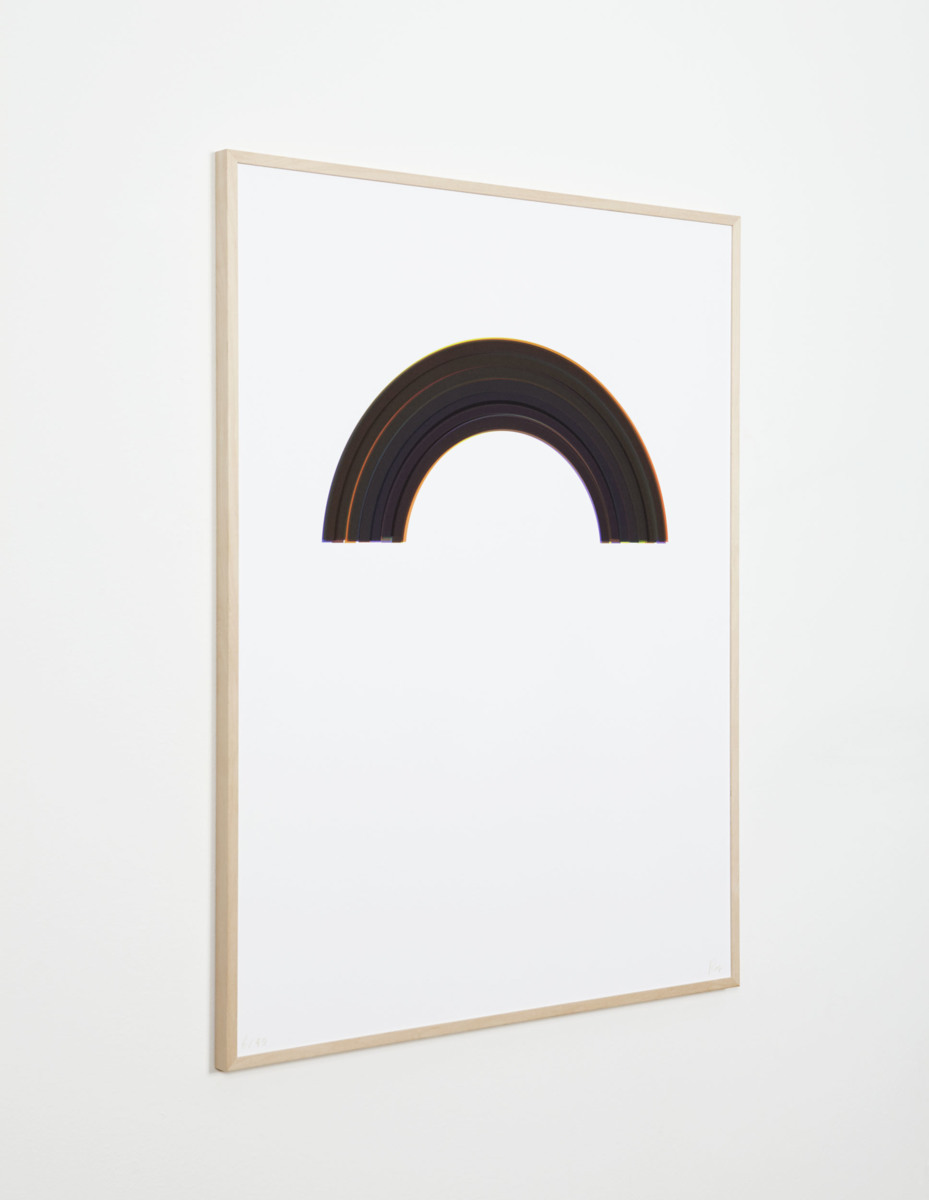
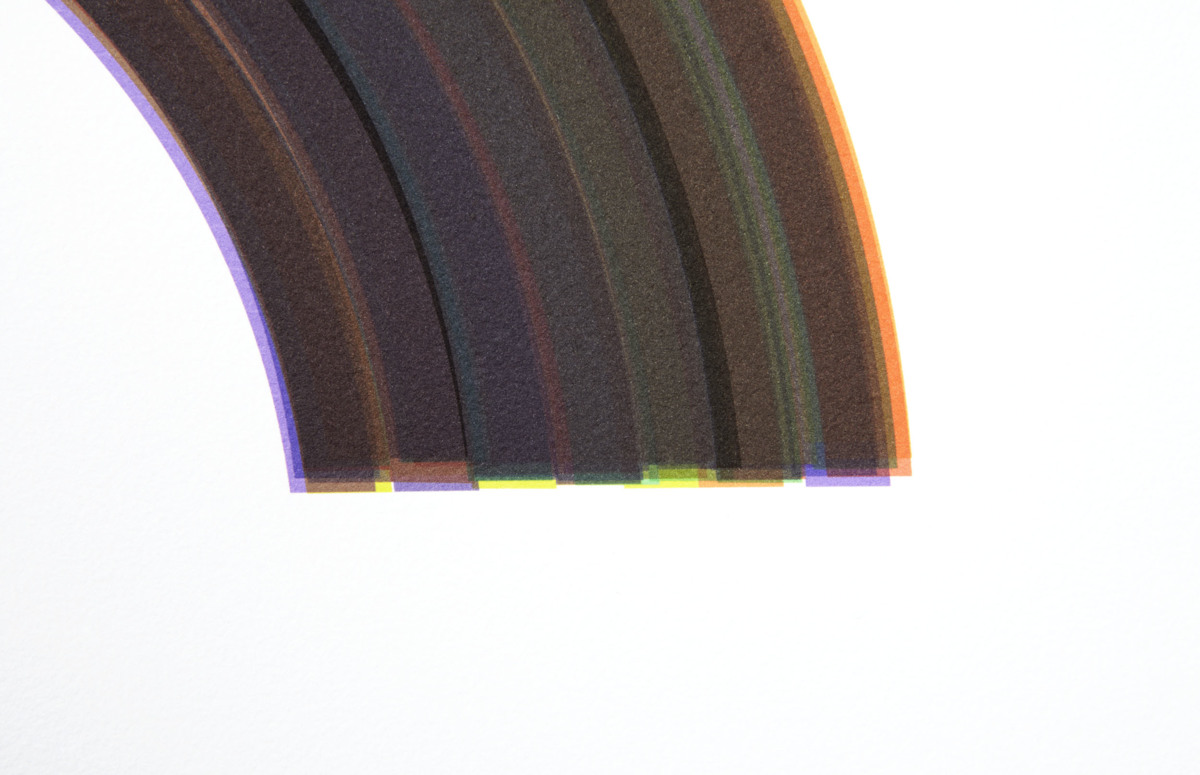
Framed Black Rainbow

_mg_8724-1200

The framed Black Rainbow print by Rop van Mierlo is available in our shop.

By printing all 7 colours of the rainbow on top of each other in all possible different orders you end up with a black rainbow: the most colourful rainbow that’s out there, in print at least. The 7 print runs with high quality pigments – 49 strokes of colour in total – make it a very laborious and costly process, resulting in a rich, colourfast and valuable print. The edition of 49 prints also matches the number of coloured strokes on the paper.

_mg_8751-1200

Photos by Femke Reijerman.

New Window Radio #2: Ola Lanko

img_0495-2-1200

We invited artist Ola Lanko as the second guest of New Window Radio because of her unique position in photography.

In a time where everybody generates images, we find it interesting that Ola questions the medium through her work. She’s not a photographer in the classical sense. Besides making actual photos she is a fanatic collector of images (and the related stories) and juxtapose them into new compositions.

Ola would like to make the viewer aware of the importance and danger of image–forming, especially in a time where everybody (for example with our cell phones) is a co–creator of a directed representation of the world, that is often presented as reality.

New Window Radio #1: Hozan Zangana

hozan-zangana-web

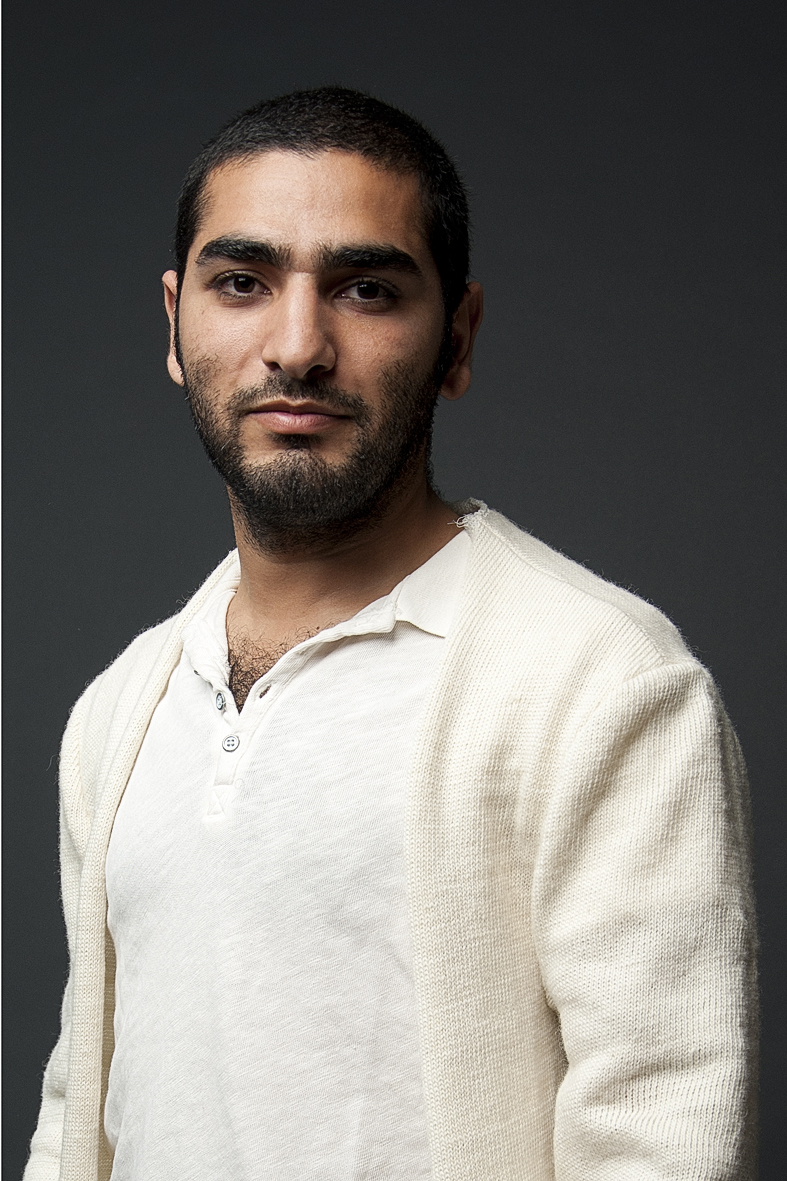
The first episode of New Window Radio is the story of someone who fled Iraq and manages to build up a new existence in the Netherlands. Hozan Zangana talks about the vehement experiences from his youth that helped shape his artistic development. Making stilled objects is a way for him to ‘tame the noise’. Furthermore he speaks about how visual censorship in old Iraq led to the emphasis on language. As a product designer his aim is to translate this flat calligraphy towards three dimensional forms and shapes. He also expresses his desire to make the transition from being a designer towards a more autonomous visual artist, working on a monumental scale.